Raw, Real, and Completely Calculated: When Vulnerability Became a Brand Strategy
At some point in the last decade, the most powerful thing you could do online wasn't to be aspirational. It was to be a mess. Or at least to look like one.
The shift was gradual, then sudden. Polished influencer culture — the flat lays, the perfect lighting, the life that looked like a catalog — started losing ground to something that felt messier, more confessional, more real. People wanted to see the bad skin days, the crying selfies, the "I've been struggling" captions. Relatability became the new luxury, and vulnerability became the new flex.
The problem is that we've now been watching this for long enough to see the machinery behind it. And once you see it, you can't really unsee it.
The Rise of the Confessional Aesthetic
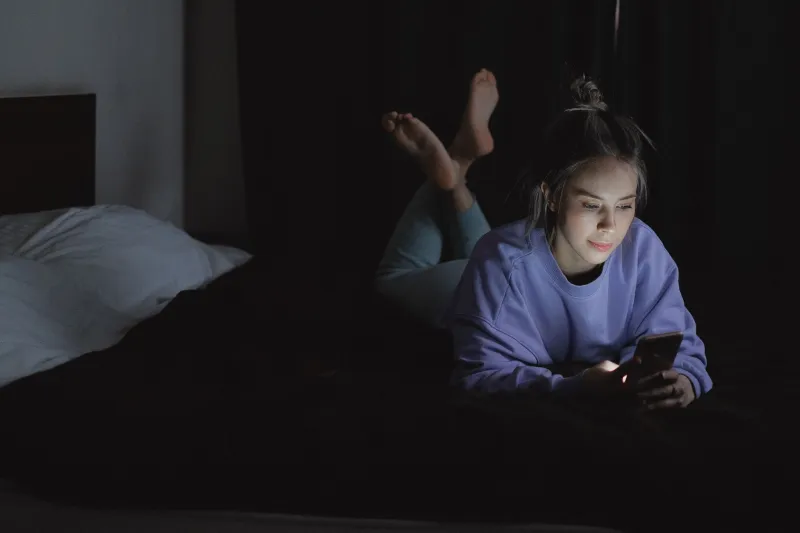
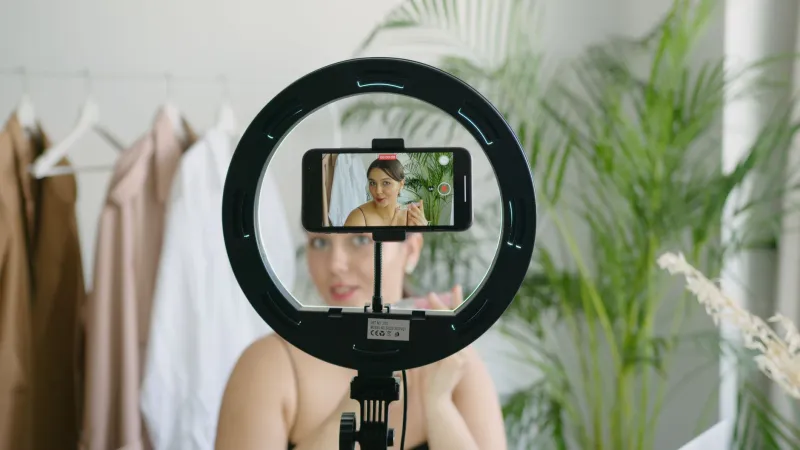
There's a specific format that has colonized social media over the past few years, and you know it immediately when you see it. The slightly shaky camera. The no-makeup look that took at least twenty minutes to achieve. The voice that's calibrated to sound like the creator just pressed record in the middle of a genuine emotional moment. The caption that starts with something like "I wasn't going to post this, but..."
This is confessional content, and it is wildly, consistently effective. Engagement goes through the roof. Comments flood in. The parasocial bond between creator and audience deepens. And the creator's metrics improve in ways that the algorithm rewards with more reach.
None of this means the emotion isn't real. That's the genuinely complicated part. But it does mean that the format of vulnerability has been so thoroughly optimized for performance that even authentic moments now arrive pre-packaged in the language of authenticity theater.
When everyone is performing rawness, rawness stops being a signal of anything.
Vulnerability as Status Symbol
There's a class dimension to this that doesn't get talked about enough. The ability to be publicly vulnerable — to share your mental health struggles, your relationship chaos, your financial anxieties — is itself a form of cultural capital. It signals that you're self-aware enough to reflect, evolved enough to share, and secure enough in your platform to risk the exposure.
This is why "radical honesty" content tends to come from people who already have significant social or economic safety nets. The influencer who posts about her anxiety has a brand deal cushioning the fall. The celebrity who opens up about his divorce controls the narrative because he has a publicist helping him frame it. The vulnerability is real, maybe, but it's also protected in ways that make it fundamentally different from the kind of exposure that most people experience.
For the audience, watching this can create a strange, disorienting effect. You're being invited into someone's "real" experience while simultaneously being sold something — a product, a persona, a parasocial relationship that the creator is monetizing. The intimacy feels genuine and transactional at the same time, and holding both of those things is exhausting.
The Audience Knows (And Is Tired)
Here's what's shifted recently: the audience has gotten wise. Gen Z in particular has developed a remarkably sophisticated literacy around performative authenticity. They can clock a calculated breakdown. They can identify the "I wasn't going to share this" formula. They know what a strategic vulnerable moment looks like, and they're increasingly vocal about calling it out — though, as noted elsewhere, often in the comments rather than in the creator's face.
This has created a strange arms race. Creators respond to accusations of inauthenticity by being more vulnerable, which reads as more performative, which generates more accusations, which prompts even more vulnerability. The cycle accelerates, and the content gets progressively harder to parse as either genuine or manufactured.
Some creators have responded by leaning fully into the absurdity — being openly, almost satirically confessional in a way that winks at the format while still using it. This is arguably more honest, but it also raises its own questions about whether irony is just another layer of insulation between the creator and anything actually real.
The Part We Don't Want to Admit About Ourselves
It's easy to point at creators and call them out for performing vulnerability. It's harder to acknowledge that audiences are doing the same thing — just at a smaller scale.
Think about the last time you posted something that felt emotionally honest. Maybe it was a caption about a hard week, or a story about something you were going through, or a tweet that was a little more raw than your usual content. And think about how you felt when the likes came in. When someone commented "sending love" or "this is so real."
That feeling isn't nothing. And it's not purely cynical. But it is also, at least in part, a performance — shaped by the same social dynamics that govern every other kind of content creation. We are all, to some degree, curating our vulnerability for an audience. The difference between us and the influencer is mostly one of scale.
What Actual Authenticity Might Look Like
Maybe the answer isn't to demand more realness from the internet — a place that is structurally incapable of delivering it in any pure form. Maybe it's to recalibrate our expectations about what online sharing can actually be.
Authenticity online was always going to be partial, mediated, and at least somewhat self-serving. That's not a failure of the people using these platforms; it's a feature of the medium itself. The camera changes what it captures. The audience changes what the speaker is willing to say. This has been true since the first person performed vulnerability in front of a crowd.
What we can do is get better at asking what we're actually looking for when we consume confessional content — and whether the thing we want (genuine connection, the feeling of being understood, the comfort of knowing someone else is also struggling) is something we might find more reliably somewhere that isn't optimized for engagement.
The authenticity bluff works because we want it to. And maybe acknowledging that is the most honest thing any of us can do.