Scandal-Proof: The Untouchable Celebrities Who Keep Getting Away With It
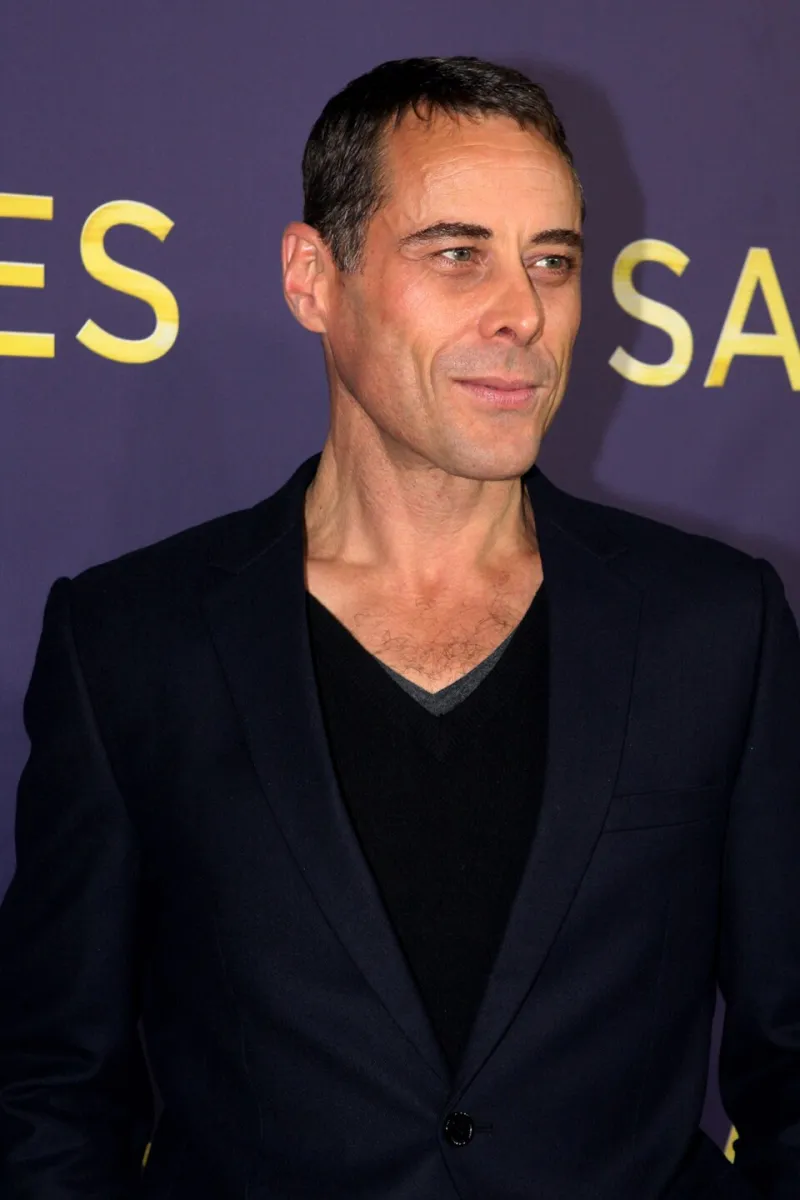
Photo: Eva Rinaldi, CC BY-SA 2.0, via Wikimedia Commons
Not All Cancellations Are Created Equal
Let's be honest about something the internet pretends not to notice: the rules of celebrity accountability are not applied evenly. Not even close.
Some public figures can stumble through a DUI, a resurfaced offensive tweet, a messy public meltdown, or a business controversy that would crater a lesser-known name — and emerge on the other side with their careers not just intact, but somehow enhanced. Meanwhile, other celebrities catch a single poorly worded statement and spend years rebuilding from ash.
The disparity is glaring. It's also worth understanding, because the patterns that emerge when you look closely say something uncomfortable about the way American culture actually works — as opposed to how we claim it works.
The Charisma Tax Break
Start with the most obvious variable: likeability. Certain celebrities have accumulated what you might call an emotional credit score with the public. Years of charm, relatability, or perceived authenticity have built a reservoir of goodwill that can absorb a significant scandal without running dry.
Think about how differently the public processes a controversy when it involves someone they feel personally fond of versus someone they find cold or arrogant. The warm, funny celebrity who made a mistake gets the benefit of the doubt. The aloof one who made the same mistake gets dragged indefinitely. The behavior is identical. The reception is not.
Dwayne Johnson is a useful example here. The man has navigated multiple rounds of public criticism — from franchise disputes to accusations of difficult on-set behavior — and his brand has barely flinched. Part of that is strategic image management, sure. But a bigger part is that a massive swath of the public simply likes him, and liking someone makes you work harder to rationalize their missteps.
Talent as a Shield
Then there's the talent variable, which is messier than people want to admit.
American entertainment culture has a long, complicated history of extending extraordinary grace to people whose work it considers irreplaceable. The reasoning, rarely stated out loud but widely practiced, goes something like: what they created is too important to let their personal failures define them.
This logic has been used to protect figures across music, film, and sports for decades. It's the same mechanism that allows a beloved director or musician to have well-documented personal controversies and still receive standing ovations, lifetime achievement awards, and glowing retrospectives. The art becomes a kind of moral collateral.
And it's worth noting who gets to claim this protection. Talent is not a neutral qualifier. The entertainers most often shielded by their perceived genius tend to be those whose work is already positioned as culturally elevated — which, historically, has had everything to do with race, class, and genre.
The Race and Class Ledger
This is where the conversation gets harder, and more important.
Studies on media coverage of celebrity controversies have repeatedly found that the same behavior is framed differently depending on the race of the person involved. A white celebrity's breakdown is a "cry for help." A Black celebrity's public struggle is a "meltdown" or a "PR disaster." The sympathy gap is real, documented, and persistent.
Class adds another layer. Wealthy celebrities have access to crisis management infrastructure — lawyers, publicists, image consultants — that can shape narrative in real time. They can donate strategically, issue carefully worded statements, and disappear from public view at exactly the right moment. The celebrity who doesn't have those resources faces the same controversy with none of the tools to manage it.
So when we talk about who is "scandal-proof," we're often really talking about who has the resources and the social positioning to weather scrutiny. The playing field was never level.
The Nostalgia Exemption
There's one more factor that doesn't get enough attention: nostalgia.
Celebrities who have been beloved for long enough accrue a kind of cultural tenure. Their earlier work — the movies, the albums, the TV appearances that shaped people's childhoods — acts as a buffer. Fans don't just evaluate the current version of the person; they evaluate them against the version they fell in love with years ago. That earlier version gets a vote.
This is why certain legacy artists can make statements that would end a newer celebrity's career and still sell out arenas. The audience isn't defending what they said. They're defending a memory. They're protecting a piece of their own past.
Nostalgia, in other words, is a form of selective amnesia. And it's one of the most powerful forces in celebrity culture.
What Our Selective Outrage Reveals
Here's the thing about all of this: the celebrities aren't the most interesting part of the story. We are.
The way we decide who deserves accountability and who deserves another chance is a map of our values — and the map is full of contradictions. We claim to hold public figures to high standards, but we apply those standards based on how much we already like someone, how much their work matters to us, and how much their identity aligns with our own. We're not objective arbiters of moral standards. We're fans. And fans play favorites.
The celebrities who escape accountability aren't getting away with something so much as benefiting from a system we built and continue to maintain every time we decide which outrage is worth sustaining and which one we're ready to move past.
So next time you notice someone skating through a controversy that would have buried someone else, the question worth asking isn't just why are they getting a pass?
It's why am I giving it to them?