Done Caring: The Growing Wave of Fans Who Are Emotionally Clocking Out on Celebrities

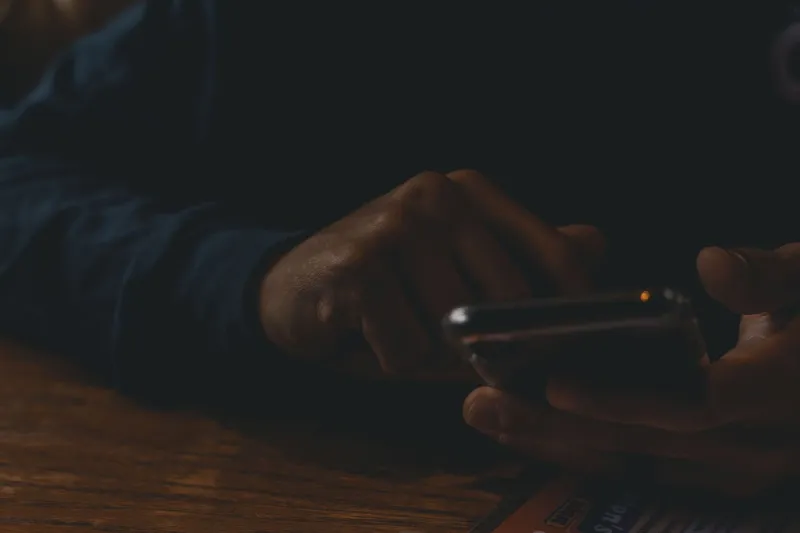
It doesn't always look like a cancellation. There's no viral thread, no coordinated mass unfollow, no tearful TikTok confession. Sometimes it's just a person sitting on their couch one evening, scrolling through a celebrity's Instagram, and realizing — with startling calm — that they don't actually care anymore. They close the app. They don't come back.
Call it the quiet quitting of fandom culture. And it's happening more than anyone in Hollywood wants to admit.
The Exhaustion Nobody Warned You About
For years, the dominant narrative around celebrity relationships was all or nothing. You were either a devoted stan or a hater. The idea that someone could simply opt out — not out of anger, but out of sheer emotional fatigue — barely registered as a possibility.
But the emotional architecture of modern fandom is genuinely demanding. Keeping up with a public figure's feuds, defending them in comment sections, processing their breakups and rebrands and controversies like they're happening to someone you actually know — that's labor. Real, unpaid, often unacknowledged labor.
And a growing number of people, particularly millennials and Gen Z, are starting to treat that labor the same way they'd treat any draining relationship: by asking whether it's actually worth it.
"I didn't unfollow her because she did something wrong," one Reddit user wrote in a thread about stepping back from a longtime favorite pop star. "I unfollowed her because I noticed I felt worse after every update. That's not her fault. But it's also not something I need in my life."
That kind of self-aware disengagement is becoming a recognizable pattern. And it's fundamentally different from the fan breakups we're used to seeing.
It's Not a Cancellation — It's a Boundary
Cancellations are loud. They're fueled by outrage, they trend on Twitter, they spawn think pieces and response videos. The quiet emotional exit is the opposite of all that. It's personal, it's undramatic, and it often doesn't even register on the celebrity's end.
But that's kind of the point.
People are increasingly applying the language of therapy and personal wellness to their media consumption habits. "Protecting my peace" isn't just a phrase people use about difficult coworkers or toxic family members anymore — it's showing up in conversations about influencers, musicians, athletes, and actors. The logic is the same: if a relationship consistently costs you more than it gives you, you're allowed to walk away from it. Even if it was never technically a relationship to begin with.
This reframing is significant. It treats the parasocial bond — that one-sided emotional connection fans form with public figures — as something that can become unhealthy. Not because the celebrity is a bad person, but because the dynamic itself can start to mirror patterns we'd recognize as red flags in our actual relationships: obsessive checking-in, emotional volatility tied to someone else's choices, a sense of identity wrapped up in another person's brand.
What Actually Triggers the Exit
Interestingly, the breaking point often isn't a scandal. Scandals can actually reinforce attachment — they give fans something to rally around, a reason to stay engaged and defend their person. The quieter exits tend to be triggered by something more mundane.
Burnout from constant content cycles. The feeling that a celebrity's persona has become more product than person. A gradual sense that the values being projected don't quite line up with what's actually observable. Or simply the realization that the mental real estate being occupied by this public figure could be used for literally anything else.
Some people describe a specific tipping point: seeing a celebrity hawk a product they clearly don't use, or watching an interview where the charm felt scripted, or noticing that their mood in the morning was somehow contingent on whether their favorite musician had posted. That last one tends to be the wake-up call.
"I realized I was checking her stories before I even got out of bed," one woman in her late twenties described in a Substack post about detaching from celebrity culture. "And when she didn't post, I felt this weird low-level anxiety. That's when I knew something had gotten out of hand."
What This Means for the Industry
The entertainment and influencer industries are built on a specific assumption: that emotional investment translates to sustained attention, and sustained attention translates to dollars. Streaming numbers, ticket sales, merchandise, brand deals — all of it runs on the engine of fan devotion.
So what happens when fans start treating devotion like a resource they need to conserve?
The ripple effects are already showing up in ways that are hard to ignore. Streaming debuts that don't match pre-release buzz. Concert tours with surprising ticket availability. Influencers with massive follower counts reporting engagement rates that don't reflect their supposed reach. The numbers don't always tell the story cleanly, but the pattern is there if you're paying attention.
Celebrities and their teams are responding — sometimes thoughtfully, sometimes desperately. There's a visible push toward "authenticity," toward parasocial intimacy, toward making fans feel seen and close. The irony is that this push can backfire. When audiences are already tired of performing emotional labor, being asked to invest even more deeply can accelerate the exit rather than prevent it.
Reclaiming the Mental Space
Here's what people who've gone through this quiet uncoupling tend to report on the other side: relief. Not the dramatic relief of leaving a toxic relationship, but something quieter and more sustainable. A little more mental room. A little less noise.
Some redirect that energy into local communities, independent artists, or creators whose work feels genuinely reciprocal. Others just enjoy the strange lightness of not having opinions about a stranger's personal life.
None of this means celebrity culture is dying. It isn't. But its relationship with its audience is shifting in ways that are genuinely interesting to watch. The era of unconditional fan loyalty — the kind that survives anything, demands nothing in return, and never asks whether it's healthy — might be quietly clocking out.
And honestly? That might be the most culturally significant thing happening in entertainment right now. Not the scandals. Not the feuds. Just millions of people, one by one, deciding their attention is worth something — and spending it somewhere else.