Sorry, Not Sorry: How the Celebrity Apology Machine Stopped Fooling Anyone
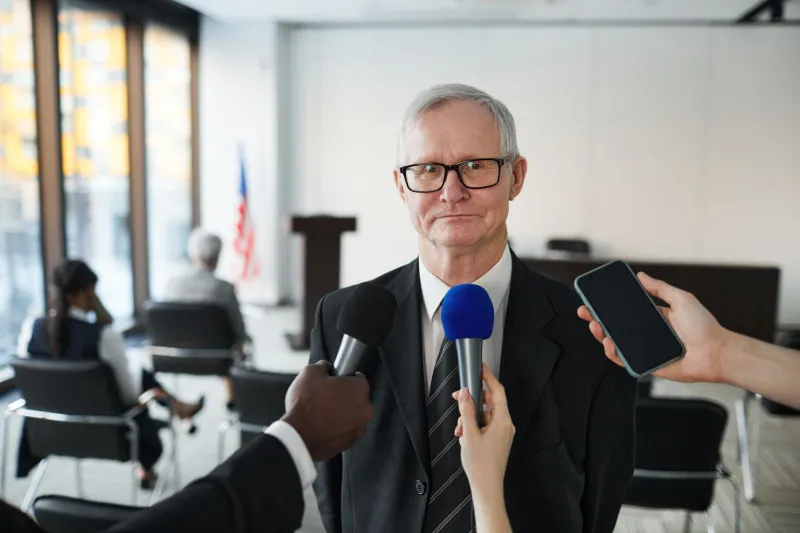
There's a rhythm to it now. You could set a metronome to it. A celebrity does something — says something offensive, behaves badly on camera, gets exposed in a group chat — and within 48 to 72 hours, the Notes app statement appears. Or the sit-down interview. Or the teary Instagram Live. The language is always vaguely the same: growth, accountability, doing the work, I have so much more to learn. And we all watch it happen like we're witnessing a very expensive, very rehearsed theater production.
The problem? We've seen this show before. Too many times.
The Anatomy of a Modern Celebrity Apology
If you want to understand why public apologies feel so hollow these days, it helps to break down what they actually contain — and what they conspicuously leave out.
The classic format goes something like this: open with vague acknowledgment of harm (never too specific, because specificity creates legal liability), pivot quickly to personal reflection, drop a reference to therapy or mental health to generate sympathy, close with a forward-looking statement about being better. Somewhere in there, if it's a really good one, there might be a single tear.
What's almost never included? An actual explanation of what happened. A direct apology to the people specifically harmed. Any concrete plan for making things right beyond posting more thoughtfully.
This isn't an accident. PR firms — and yes, there are entire firms dedicated to crisis reputation management — have essentially reverse-engineered the apology from audience data. They know what language lands. They know the optimal posting time. They know whether a written statement will perform better than a video, and if it's a video, whether the celebrity should be sitting casually or looking directly into the camera.
The apology industrial complex is real, it's profitable, and it's incredibly good at its job.
Why We're Exhausted — And Why We Keep Watching
Here's the uncomfortable part: even though most of us can smell a manufactured apology from three zip codes away, we still consume them. We screenshot the statements. We dissect them on Reddit. We argue in comment sections about whether the person seemed genuine. We've become amateur authenticity analysts, and we're doing it for free.
There's a psychological thread worth pulling here. Humans are wired to want resolution. When someone we've invested emotional energy in — whether that's a musician, an actor, a reality TV personality — does something that conflicts with the version of them we liked, it creates cognitive dissonance. The apology, even a fake one, offers a kind of narrative closure. It lets us decide: do we forgive and keep streaming their music, or do we log off for good?
The problem is that the machine knows this too. The apology isn't designed to make the harmed party feel better. It's designed to make the audience feel comfortable enough to keep engaging.
The Redemption Arc as Content Strategy
Beyond the initial apology, there's an entire second act to this performance: the redemption arc. This is where things get really sophisticated.
The celebrity disappears for a calculated period — long enough to suggest reflection, short enough to maintain relevance. Then comes the carefully staged return. A profile in a magazine known for soft-touch interviews. A podcast appearance where they get to tell their side. A social media post that signals vulnerability without revealing anything damaging. A collaboration with someone whose credibility can function as a kind of character reference.
And look — sometimes people genuinely do change. That's worth saying plainly. Growth is real. Accountability is possible. But the issue is that the machinery built around celebrity redemption makes it nearly impossible to tell the difference between someone who has actually reckoned with their behavior and someone who has simply hired better help.
When the process looks identical whether someone is sincere or not, sincerity loses all meaning.
The Audience Has Caught On — And It's Changed the Game
What's interesting about this cultural moment is that the skepticism isn't just a vibe — it's become an active part of how audiences engage with celebrity culture. People aren't passively receiving these apologies anymore. They're fact-checking them in real time. They're pulling receipts. They're noting when the timeline of the apology suspiciously coincides with a project rollout or award season.
Social media has democratized the debunking process. When a celebrity posts a statement, within hours there are threads compiling previous contradictory behavior, old interviews, and patterns that the apology conveniently glosses over. The audience has essentially become its own opposition research team.
This has created a strange new dynamic where celebrities have to apologize for their apologies not being good enough — which then generates a second cycle of discourse, which keeps everyone's name in conversation for another news cycle. At some point you have to wonder who's actually winning here.
What a Real Apology Would Even Look Like
It's worth asking what genuine accountability from a public figure might actually look like, if we're going to spend this much time talking about what it doesn't look like.
For starters, it probably wouldn't be perfectly produced. It would likely be specific — naming what happened, who was affected, why it was wrong — rather than retreating into vague language about personal journeys. It might involve actual material action: donating to relevant causes, stepping back from spaces where the harm occurred, amplifying the voices of people who were hurt rather than centering their own narrative of suffering.
It probably wouldn't come with a single-tear close-up and a playlist dropping the same week.
The bar, in other words, is not actually that high. But meeting it would require sacrificing the control that makes the current system so appealing to celebrities and their teams. Real accountability is messy. It doesn't have good optics. It can't be focus-grouped.
We Deserve Better — But We Have to Want It First
Here's where it lands: the performative apology cycle persists because it works. It works because enough of us — even those of us who know better — participate in the ritual. We watch the video. We debate the sincerity. We move on when the next story drops.
Breaking the cycle would require audiences to consistently hold the line: to not stream the album, not watch the comeback interview, not buy the merchandise that signals all is forgiven, until there's actual evidence of change rather than a well-edited expression of it.
That's a harder ask than it sounds. We're emotionally attached to the people we've made famous. We want them to be redeemable because we've already invested in them.
But maybe the most honest thing we can do right now is stop pretending we can't tell the difference between a genuine moment of reckoning and a very expensive PR exercise. The first step to demanding better is admitting, clearly, that what we're getting right now isn't it.