Soft Ghosting the Algorithm: How Gen Z Is Quietly Walking Away From the Influencers They Used to Worship
There's a version of this story that looks like a fight. A receipts thread. A hashtag gone viral. A celebrity crying in a poorly lit video about how they've "been going through it." But that's not how this particular breakup is happening. This one is quieter. Slower. And honestly? Way more devastating for the people on the receiving end.
Call it the soft ghost of the digital age. Gen Z — the generation that practically invented parasocial culture as a lifestyle — is learning to simply stop caring. Not loudly. Not with fanfare. They're just... logging off. Emotionally, at least.
What "Quiet Quitting" Looks Like When It's About Your Faves
If you've heard the term "quiet quitting" in the context of work — doing the bare minimum, collecting your paycheck, refusing to emotionally invest in a job that doesn't love you back — then you already understand the energy here. Fans are applying that same logic to the celebrities and influencers they follow.
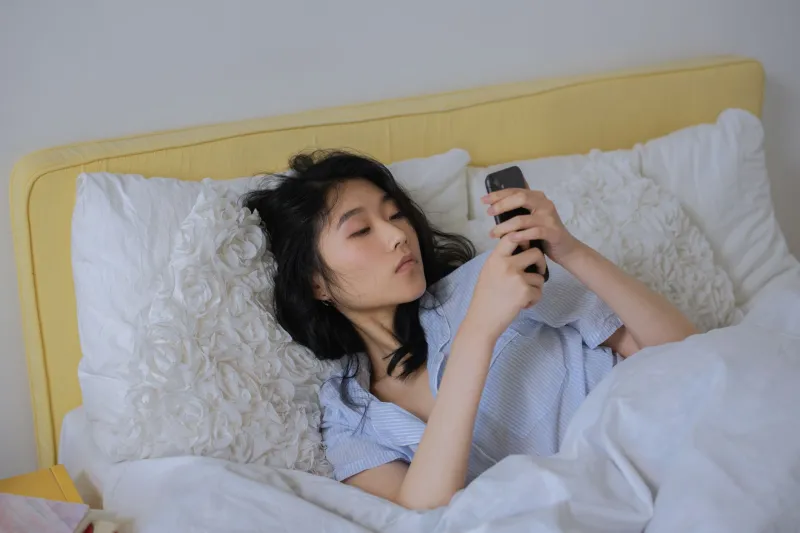
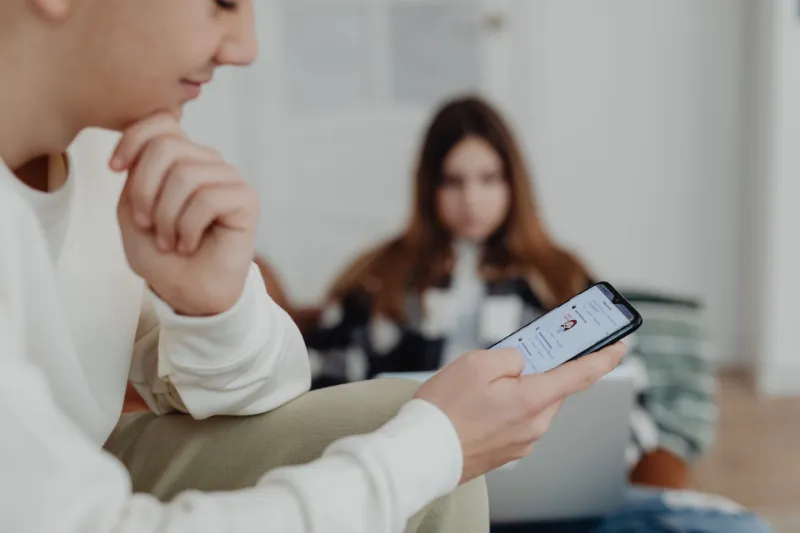
They're not unfollowing. The account stays. The notifications might still be on. But something has shifted underneath. They scroll past without stopping. They see a new post and feel nothing. They notice a drama unfolding around someone they used to obsessively defend and find themselves thinking, honestly, whatever.
This isn't apathy born from boredom. It's a learned response. A self-protective recalibration. And it's happening at scale.
The Psychology Behind the Drift
Here's the thing about parasocial relationships — they were never designed to be sustainable. You pour real emotional energy into someone who doesn't know you exist. You celebrate their wins. You feel genuinely hurt when they disappoint you. And eventually, something gives.
Psychologists have long noted that parasocial bonds activate many of the same neural pathways as real relationships. Which means the emotional labor involved is also very real. When fans talk about feeling drained by their favorite creator, they're not being dramatic. They're describing something that's actually happening in their brains.
For Gen Z especially — a generation that grew up being told to protect their mental health, to set boundaries, to recognize toxic patterns — applying that framework to celebrity consumption started to feel not just logical, but necessary. If a friendship that only takes and never gives is unhealthy, why would a one-sided relationship with someone who's essentially a brand be any different?
The answer, increasingly, is: it wouldn't be. And so they're opting out.
Real Ways People Are Pulling Back
Talk to enough people in their late teens and twenties and you'll start hearing the same kinds of stories. A college student in Atlanta who used to watch every single video from a beauty creator she'd followed since middle school — now she skips most of them. Not because the content got worse, but because she realized she was watching out of habit, not genuine interest, and the habit wasn't making her feel good.
A guy in his mid-twenties in Chicago who was deep in a sports personality's fanbase — the podcasts, the Twitter threads, the merch — who gradually stopped engaging when he noticed the creator's takes felt more like performance than conviction. He didn't make a thing of it. He just... moved on.
A woman in her early twenties in Los Angeles who used to feel genuinely anxious when her favorite influencer went through public drama. She started journaling about why she cared so much, realized the relationship was completely nonreciprocal, and now describes herself as "emotionally retired" from that corner of the internet.
None of these exits looked like activism. None of them made headlines. But multiply that drift by millions of people and you have a seismic shift in how attention — the actual currency of the creator economy — gets distributed.
What This Means for the Celebrity Industrial Complex
Here's where it gets genuinely interesting for anyone paying attention to the business side of fame.
The entire influencer economy is built on engagement. Not just follower counts — brands have gotten smarter about that — but actual interaction. Comments. Shares. Click-throughs. The emotional investment that turns a viewer into a consumer. When fans go through the motions without that underlying feeling driving their behavior, the whole machine starts to sputter.
Creators are already noticing. There's been a wave of content — almost anxious in its energy — where influencers talk about "feeling disconnected" from their audiences, or ask followers to "tell me what you want to see." The comments are full of people saying they don't know, or that they've just been busy, or offering vague reassurances. But the numbers don't lie. Reach is down. Conversion is down. The parasocial contract is being renegotiated without anyone explicitly saying so.
For celebrities operating at a higher level, the stakes are even bigger. The fan bases that once functioned like loyal armies — defending, promoting, generating organic buzz — are quieting down. The stan culture that felt indestructible five years ago is showing real cracks. And unlike a public backlash, which a good PR team can manage, this kind of silent withdrawal is almost impossible to spin.
Is This Actually a Good Thing?
Depending on who you ask, this shift reads as either a loss or a liberation. For creators who built genuine, reciprocal communities, the drift is painful — and probably a signal to recalibrate toward authenticity. For fans, it's mostly being described as relief.
There's something worth sitting with in the idea that an entire generation is learning, in real time, to recognize when they're giving more than they're getting — even to people they'll never meet. That's not cynicism. That's actually a pretty sophisticated emotional skill.
The parasocial relationship isn't going anywhere. Humans are wired to connect, and media is wired to exploit that. But the version of fandom that required constant emotional output, that blurred the line between admiration and dependency, that made people feel responsible for a stranger's brand health? That version might finally be losing its grip.
And if the quietest exit is also the most powerful one, Gen Z might just be proving that the most radical thing you can do in the attention economy is simply... stop paying attention.
No drama required.